Last Updated: May 6, 2026
The swasthya ingit.in 2.0 login system is one component of the expanding Indian digital health ecosystem designed to streamline health data access and administration. As a healthcare professional, administrator, or any authorised user it’s crucial to comprehend how the platform operates to save time and eliminate potential errors inpatient data.
This guide will explore the platform in simple, practical terms-the login process, its services, problems and probable system outcomes.
Table of Contents
What is Swasthya Ingit.in 2.0 Portal?
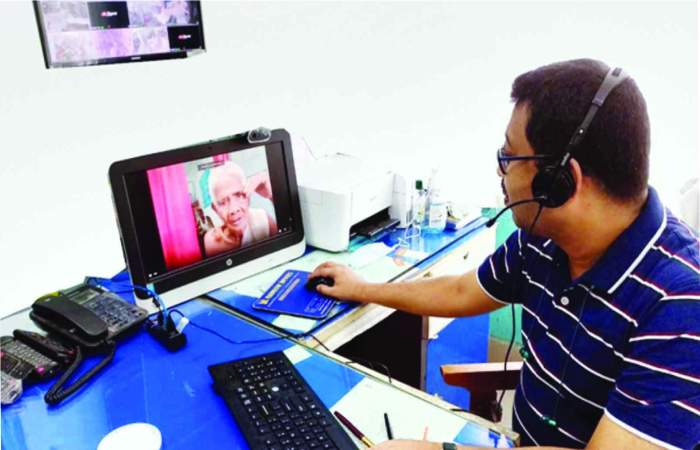
swasthya ingit.in 2.0 login portal is an online government initiative/ platform used to monitor/ manage health-related information. Generally it connects hospitals,clinics & administrative offices via central portal.
The platform is designed to:
- Store patient records digitally
- Enable data sharing between healthcare providers
- Improve reporting and monitoring
- Reduce manual paperwork
Unlike general health apps, this portal is usually restricted to authorised users and not meant for public patient login in most cases.
Who Uses the Portal?
The swasthya ingit.in 2.0 login system is primarily used by:
| User Type | Purpose |
| Healthcare Staff | Manage patient records and updates |
| Hospital Administrators | Monitor reports and system data |
| Government Health Officials | Track healthcare performance |
| Data Entry Operators | Upload and maintain records |
Swasthya Ingit.in 2.0 Login Workflow
To access the portal, follow this simple step-by-step process:
Login Process
- Visit the official Swasthya Ingit portal
- Locate the login section on the homepage
- Enter your username and password
- Complete any CAPTCHA verification (if required)
- Click on the Login button
- Access your dashboard
Workflow
| Step | Action | Expected Outcome |
| Step 1 | Open portal | Login page loads |
| Step 2 | Enter credentials | System verifies details |
| Step 3 | Submit login | Dashboard access granted |
| Step 4 | Navigate dashboard | Services become available |
Services Available on the Portal
Once logged in, users can access multiple features depending on their role.
Key Services
- Patient data entry and updates
- Health record tracking
- Report generation
- Administrative dashboards
- Data analytics and summaries
Services Overview
| Feature | Description | Access Level |
| Patient Records | Add/edit health data | Staff |
| Reports | Generate health reports | Admin |
| Dashboard | Overview metrics | All users |
| Data Upload | Bulk data entry | Operators |
Supported Devices and Access
The portal is design to work on standard systems rather than mobile apps.
| Device Type | Compatibility |
| Desktop/Laptop | Fully supported |
| Tablet | Partially supported |
| Mobile Browser | Limited usability |
Practical Note:
For best performance, use a desktop with a stable internet connection.
Troubleshooting Swasthya Ingit.in 2.0 Login Issues
Users may occasionally face login problems. Here are common issues and solutions:
Common Problems & Fixes
| Issue | Possible Cause | Solution |
| Incorrect Password | Typing error | Reset password |
| Page Not Loading | Server issue | Try later |
| Account Locked | Multiple failed attempts | Contact admin |
| Slow Dashboard | Poor internet | Switch network |
Quick Fix Workflow
- Recheck login credentials
- Clear browser cache
- Try a different browser
- Contact system administrator if unresolved
Security and Legitimacy of the Portal
The swasthya ingit.in 2.0 login system is typically secured using:
- Encrypted login sessions
- Role-based access control
- Government-backed infrastructure
What This Means for Users
- Your data is generally protected within authorised access
- You should not share login credentials
- Always log out after use
Limitations
- Security depends on user behaviour
- Public access is restricted
- Downtime may occur during maintenance
Benefits vs Traditional Systems
| Feature | Swasthya Ingit 2.0 | Traditional System |
| Data Storage | Digital | Paper-based |
| Access Speed | Fast | Slow |
| Error Rate | Lower | Higher |
| Reporting | Automated | Manual |
Practical Insight
Though the portal is useful for increasing efficiency, the necessity of users being trained and having a reliable internet connection remain.
Expectations: What the Portal Can and Cannot Do
What You Can Expect
- Faster data retrieval
- Centralised health records
- Reduced paperwork
What You Should Not Expect
- Instant system response during peak hours
- Public patient access (in most cases)
- Full automation without manual input
Who Should Use This Portal?
Suitable For:
- Government healthcare staff
- Hospital administrators
- Data management teams
Not Suitable For:
- General public users
- Patients looking for personal login access
- Users without authorised credentials
Comparison with Typical Health Portals
| Feature | Swasthya Ingit 2.0 | Public Health Apps |
| Access | Restricted | Open |
| Purpose | Administrative | Personal health |
| Complexity | High | Moderate |
| Data Handling | Institutional | Individual |
Practical Use-Case Examples
Example 1: Hospital Data Entry
A staff member logs in daily to update patient admission records and discharge summaries.
Example 2: Health Reporting
An administrator generates weekly reports for district-level healthcare monitoring.
Example 3: Data Analysis
Officials use dashboards to identify trends in disease reporting.
FAQ: Swasthya Ingit.in 2.0 Login
1. What is swasthya ingit.in 2.0 login use for?
It is use by authorised healthcare personnel to manage and monitor health data digitally.
2. Can patients log into the portal?
In most cases, no. Access is restricted to authorised users.
3. What should I do if I forget my password?
Use the password reset option or contact your system administrator.
4. Is the portal safe to use?
Yes, provided you follow security practices like not sharing login credentials.
5. Why is the portal slow sometimes?
Server load, maintenance, or internet issues can affect performance.
Conclusion
By simplifying healthcare data management in India through Swasthya ingit.in 2.0 login portal, data management is brought more streamlined and modern. While it makes it possible to organize and create more thorough reports than it would otherwise be possible, and is significantly more efficient than systems designed by hand or previous electronic means, this tool is not intend for the public and must be learned and appropriately accessed. Navigating the portal successfully and being aware of potential problems that may arise as well as features that may be underutilize will allow users to work more efficiently through the system.