Last Updated: September 1, 2026
Muscle soreness is familiar to many, from fitness enthusiasts to those who occasionally push their physical limits. While often temporary, this discomfort can significantly impact daily activities and exercise routines. Understanding the underlying causes of muscle soreness is key to effectively managing and preventing it, ensuring that it doesn’t hinder your fitness journey or daily life. Let’s explore various reasons contributing to muscle soreness and how to minimize this discomfort.
This Article Is Belongs To The Strength Training
Table of Contents
1. Poor Mattress Quality
A common reason for muscle soreness is sleeping on an unsupportive mattress, which may put you in awkward sleeping positions that strain your muscles and joints. This additional strain can result in heightened muscle soreness, creating a vicious cycle that hampers your recovery and overall well-being.
The solution? Investing in the best mattresses available in the market. Choose a bed in a box that suits your sleep style — i.e. — side, back, or stomach. These mattresses are designed for optimal support, promoting proper spinal alignment and reducing the likelihood of muscle strain. Don’t forget to pair it with bedding comforters that provide the right amount of warmth and coziness, ensuring a restful night’s sleep.
2. Overexertion During Exercise
One major reason you might be feeling sore is overexertion during exercise. When you push your body beyond its limits, your muscles endure excessive strain, which can cause tiny tears in your muscle fibers that lead to inflammation and that familiar feeling of soreness.
The most effective and safest way to enhance your fitness is by gradually increasing your activity levels. Instead of diving straight into high-intensity workouts, begin with moderate activity and slowly ramp up the intensity. This method lets your body adapt to the new demands, lowering the risk of injury and excessive soreness.
3. Lack of Proper Warmup
Another reason you might feel sore is the lack of a proper warmup before exercise. Warming up is essential because it preps your muscles for the upcoming workout and helps prevent injuries. When you warm up, you gradually increase your heart rate and circulation, which loosens your joints and increases blood flow to your muscles. Skipping this vital step can lead to muscle strain and subsequent soreness.
An effective warmup routine should involve light aerobic activity followed by stretching exercises. You could start with a five-minute jog or brisk walk, then move on to dynamic stretches targeting the major muscle groups you’ll use during your workout. The goal is not to exhaust yourself during the warmup but to prepare your body for the upcoming exercise.
4. Dehydration
When you’re dehydrated, your body lacks the necessary fluids to function optimally, impacting muscle functionality. Muscles need water for flexibility, strength, and power. Without sufficient hydration, they can become prone to cramping, spasms, and increased soreness risk after exercise. Staying hydrated is simple yet crucial. An easy way to hydrate is by carrying around a reusable water bottle wherever you go — e.g., the office, errand shopping, etc. Also, increase your water intake during physical activity and remember to hydrate before, during, and after exercise to replenish lost fluids. By maintaining proper hydration, you can help reduce muscle soreness and enhance your overall performance.
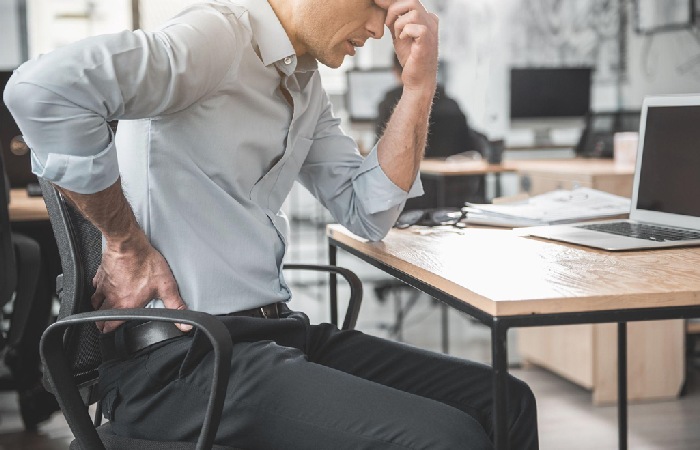
5. Poor Posture
Poor posture can cause uneven muscle use and strain and soreness in specific muscle groups, especially in your back, neck, and shoulders. Over time, this habit can lead to chronic pain and reduced flexibility.
Enhancing your posture is a practical way to alleviate this issue. Aim to keep your back straight, shoulders back, and knees at a right angle when sitting. When standing, align your shoulders over your hips and your hips over your ankles. Regular breaks from sitting and exercises that strengthen your core can also improve your posture.
6. Stress
When you experience stress, it affects not only your mind but also your body. One of the physical effects of stress is muscle tension and soreness. When stressed, your body naturally becomes tense, causing your muscles to contract and stay that way. This constant tension can cause your muscles to feel sore and stiff, making it harder for you to move around and feel comfortable.
Incorporating relaxation techniques into your daily routine can effectively combat stress-induced muscle soreness. Practices such as deep breathing exercises, meditation, and yoga can help reduce stress levels and alleviate muscle tension. Regular physical activity is another beneficial strategy, as exercise releases endorphins — the body’s natural painkillers and mood elevators. Additionally, ensuring adequate rest time can help your body recover from the physical effects of stress, promoting a sense of well-being and reducing muscle soreness.
7. Delayed Onset Muscle Soreness (DOMS)
Delayed onset muscle soreness (DOMS) occurs when your muscles experience micro-tears due to unfamiliar or vigorous exercise, resulting in inflammation and soreness that typically peaks 24 to 72 hours post-workout. While DOMS can be uncomfortable, it’s a normal part of the muscle-strengthening process.
It’s important to differentiate between DOMS and more severe injuries. While DOMS is a normal response that indicates your muscles are adapting to new demands, sharp or persistent pain that continues to worsen beyond a few days may indicate a more serious injury requiring medical attention. Recognizing the difference can help you manage your recovery more effectively and prevent further harm.
Regular strength training can also play an important role in maintaining physical function over time. When performed with appropriate technique and gradual progression, resistance exercises can help strengthen the muscles that support your joints while contributing to overall musculoskeletal fitness. Learn more about how strength training supports long-term joint and bone health and why resistance exercise can be an important part of a balanced fitness routine.
Recovery Protocol: How to Reduce Muscle Soreness
Below is a step-by-step expert-recommended recovery protocol to help your muscles heal faster, reduce discomfort, and improve performance.
1. Active Recovery
Engage in low-intensity activities like walking, swimming, or light yoga on rest days. This increases blood flow to muscles, which helps deliver oxygen and nutrients while reducing stiffness.
2. Post-Workout Nutrition
Protein and carbohydrates after exercise are essential for muscle repair and glycogen replenishment. Aim to consume a balanced snack or meal within 30–60 minutes post-workout to support recovery. Sources include:
-
Greek yogurt with fruit
-
Protein smoothie with banana
-
Lean meats and whole grains
This combination supports muscle recovery and reduces soreness.
3. Hydration & Electrolytes
Drink fluids throughout the day and consider electrolyte-rich options (like coconut water or sports drinks) after intense training to replace minerals lost through sweat. Proper hydration accelerates nutrient transport and waste removal from muscles.
4. Stretching & Mobility
Gentle post-exercise stretching and mobility work help reduce muscle tightness and promote flexibility. Static stretches held for 20–30 seconds after a workout can ease tension and enhance blood flow.
5. Sleep & Rest
Most muscle repair occurs during sleep. Aim for 7–9 hours of quality rest each night — during deep sleep, growth hormone peaks and aids tissue regeneration.
6. Temperature Therapy
-
Cold therapy (ice baths/ice packs): Reduces inflammation in the first 24–48 hours after intense workouts.
-
Heat therapy (warm baths/heat pads): Used later to relax tense muscles and increase circulation.
-
Contrast baths: Alternating hot and cold stimulates blood flow and can enhance recovery.
7. Self-Massage & Tools
Foam rollers, massage guns, and self-myofascial release tools help increase circulation and reduce muscle tightness. Applying pressure to problem areas can ease pain and promote flexibility.
Recommended Recovery Tools & Products
Here are some of the most effective recovery tools that athletes and fitness enthusiasts use:
-
Foam Rollers – Deep tissue and vibrating rollers improve muscle blood flow and reduce stiffness.
-
Massage Guns (e.g., TheraGun) – Provide targeted percussion therapy to release muscle knots.
-
Compression Boots (e.g., Normatec) – Help reduce inflammation and speed recovery.
-
Cold Therapy Devices / Ice Baths – Aid in reducing swelling and post-exercise inflammation.
-
Infrared Sauna Blankets – Promote relaxation and circulation for muscle recovery.
Conclusion
By taking a comprehensive approach to tackle the root causes of muscle soreness, you can enhance your overall well-being and continue engaging in pain-free physical activities. Remember to always listen to your body. If soreness persists or worsens, seek professional help for a solution.