Last Updated: May 1, 2026
Seeing gel-like mucus in your stool can be unexpected, even frightening. But don’t worry too much as there isn’t always something more serious occurring. Mucus is actually an important natural substance that your intestines secrete to lubricate and protect your digestive tract. In normally functioning digestive tracts, the mucus isn’t released in large quantities, so it will not be visible. But when you start to see something jelly-like, or slimey in your stools, then this suggests that your system may be responding to some irritation, infection or otherwise.
Mucus is secrete by your intestines in order to protect the inner lining of your gut from pathogens or harmful acids used in digestion and to ensure easy transit of stools through your bowel. When the gut system is either infected or is experiencing inflammation, the body will secrete an increased quantity of mucus, making it detectable within the stools. Knowing why it has increased is important in determining if there are serious underlying causes to your conditions.
Table of Contents
What Does Jelly-Like Mucus in Stool Look Like?
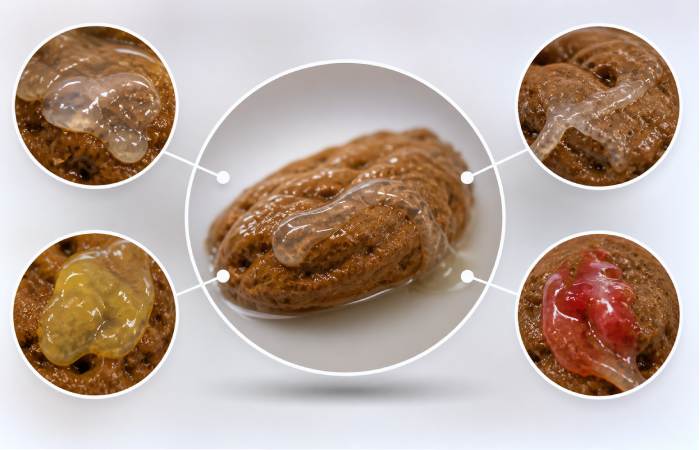
Appearance Jelly-like mucus may have many forms. Normally it would look as sticky/slimy/gel-like stuff coating on the feces or mixing in it. It may appear clear or white, yellow, and even with blood content.
| Appearance Type | Description | Possible Meaning |
| Clear/white mucus | Transparent or milky coating | Normal or mild irritation |
| Yellow mucus | Slightly colored gel-like substance | Infection or IBS |
| Thick jelly-like mucus | Sticky, visible clumps | Inflammation or digestive issue |
| Bloody mucus | Red or pink streaks | Serious condition, needs urgent care |
Is Mucus in Stool Normal?
A bit of mucus in stool is completely normal and important for keeping the digestive tract healthy. Excess mucus, which is frequent and very visible, however, should be investigated.
| Condition | Explanation |
| Normal mucus | Small, invisible amount that aids digestion |
| Mild increase | Temporary due to diet or minor irritation |
| Excess mucus | Suggests inflammation or infection |
| Mucus with blood | Warning sign of serious condition |
Common Causes of Jelly-Like Mucus in Stool
There are many possible reasons for mucus in your stools ranging from simple stomach upsets to more severe underlying health conditions. While often the cause of mucus in stool is temporary and may resolve on its own it should not be ignored when symptoms are more persistent.
Some of the more common reasons include dehydration or constipation. When the bowels are hardened they will produce more mucus in the intestines to try and help move things along, in the case of diarrhea this may be due to the increased fluid flow causing irritation to the intestine which then produces more mucus as a response to irritation.
Common cause of excess mucus in stool is a gastrointestinal infection, which could be caused by a viral, bacteria or parasite. This causes irritation to the intestines and diarrhea will often be produced accompanied by cramping and mucus.
Chronic digestive system disorders such as Irritable Bowel Syndrome will often produce mucus in the stool. This affects the function of the intestine resulting in bloat, abdominal pain and irregular bowel movements along with a mucus discharge.
The more severe inflammatory bowel diseases that will often cause mucus include Crohns and Ulcerative Colitis. These result in chronic inflammation to the digestive system producing mucus, fatigue, weight loss and blood in the stool.
Other digestive issues include food intolerance such as lactose intolerance or gluten sensitivity which may also irritate the intestine producing mucus, conditions that affect the anus or rectum such as hemorrhoids, and diverticulitis or malabsorption issues may also lead to the presence of mucus.
Rare causes for persistent mucus are associated with Colorectal cancer especially if accompanied by changes in bowel habits or blood in the stool.
Summary of Causes
| Cause | Severity | Symptoms | Recommended Action |
| Constipation | Low | Hard stool, mild mucus | Increase fiber & water |
| Diarrhea | Low | Loose stool, irritation | Usually resolves naturally |
| Infection | Medium | Fever, cramps | Seek care if severe |
| IBS | Medium | Bloating, mucus | Lifestyle management |
| IBD | High | Blood, pain | Specialist treatment |
| Food intolerance | Low–Medium | Triggered symptoms | Avoid trigger foods |
| Hemorrhoids | Low | Pain, slight bleeding | Local care |
| Diverticulitis | Medium–High | Pain, fever | Medical consultation |
| Malabsorption | Medium | Greasy stool | Diagnostic tests |
| Cancer | High | Blood, weight loss | Immediate evaluation |
When Should You Worry?
Although occasional presence of mucus in stool is considered normal, some symptoms may indicate to seek a doctor. If mucus occurs too often and also other unusual symptoms appear simultaneously, this might be a sign of another serious health issue. Warning signs include chronic diarrhea, intense stomach pains, unintentional loss of weight, and fatigue. Blood in stool is considered a serious sign and it should be taken seriously. Possible warning signs include infection or any other inflammatory conditions of the gastrointestinal tract.
Diagnosis of Mucus in Stool
To figure out the actual cause the doctors can prescribe a number of tests. They will generally come up with a diagnosis based on symptoms, medical history, and the length of time that the problem has existed.
| Test | Purpose |
| Stool test | Detect infections or parasites |
| Blood test | Identify inflammation or anemia |
| Colonoscopy | Examine colon for abnormalities |
| CT/MRI scan | Detect structural issues |
These tests help identify whether the mucus is due to a temporary issue or a chronic condition that requires long-term treatment.
Treatment Options
As such there is no one way to treat jelly-like mucus within the stool; it will completely depend on the cause. Some minor conditions can be treated with dietary or lifestyle changes. While the condition might require medical treatment it is often possible to relieve the symptoms of constipation with increases in the intake of fiber and water within the diet.
Infection can typically be treated with antibiotics and/or other required medication, Irritable Bowel Disease and similar conditions may be treated by adjustments to diet and stress reduction techniques. It is more usual that treatment of inflammatory conditions such as IBD can be a long term process involving drugs such as anti-inflammatory medication and immunosuppressants and it is rare that surgery is required.
| Condition | Treatment Approach |
| Constipation | Fiber, hydration |
| Infection | Medication (antibiotics) |
| IBS | Diet + stress control |
| IBD | Anti-inflammatory drugs |
| Food intolerance | Elimination diet |
| Hemorrhoids | Creams, warm baths |
| Severe cases | Surgery (if required) |
Diet Tips to Reduce Mucus in Stool
A balanced food consumption is very crucial for proper functioning of the digestive tract. A proper food consumption can reduce the mucous formation, and make gut functioning optimum. Fiber maintains the regularity of defecation, and it reduce the irritation of the intestinal wall. Probiotic foods like yogurt can benefit the gut flora, whereas an adequate intake of liquids would improve digestion. In contrast, processed foods, sugar-loaded foods, food overspicy and overoily, are detrimental for the gut and stimulate mucus formation.
| Recommended Foods | Foods to Avoid |
| Fruits & vegetables | Processed foods |
| Whole grains | Excess sugar |
| Yogurt & probiotics | Spicy/oily foods |
| Plenty of water | Dairy (if intolerant) |
Conclusion
what causes jelly-like mucus in stool is quite often a completely normal response of the digestive tract. Usually this occurs during brief episodes of irritation, constipation, infections, or following consumption of a problematic food. However when mucus is produced in large quantities or becomes continuous and is accompanied by other symptoms such as blood, pain or weight loss it may signify a more serious illness. By learning about possible causes of jelly-like mucus and learning to listen to your body, timely treatment will be given. Simple lifestyle adjustments may fix some situations while others may demand attention from a physician and his treatments. Doubt yourself and visit a doctor when you are in confusion.